
Rafael Stone and Two Weeks in Turkey: When the Houston Rockets GM Learned to Sit Still
**Câu trả lời cốt lõi**: Rafael Stone, tổng giám đốc Houston Rockets, đã dành hai tuần tại Thổ Nhĩ Kỳ để thăm Alperen Sengun trong mùa hè, xây dựng quan hệ cá nhân thay vì chỉ đạo chiến thuật. Động thái diễn ra khi Sengun bước vào năm cuối hợp đồng tân binh và được xem là trụ cột tương lai của đội. **Dữ kiện chính**: - Rafael Stone dành hai tuần tại Thổ Nhĩ Kỳ thăm Alperen Sengun trong mùa hè 2024. - Sengun, 22 tuổi, bước vào năm cuối hợp đồng tân binh và đủ điều kiện gia hạn. - Stone thừa nhận trước đây luôn bám sát Sengun, nay chủ động lùi lại. - Houston Rockets tuyên bố đã đến lúc cạnh tranh sau giai đoạn tái thiết. - Thông tin Kevin Durant thuộc biên chế Rockets chưa được nguồn chính thức xác nhận. **Nguồn**: Phỏng vấn Rafael Stone, tổng giám đốc Houston Rockets, công bố trong mùa hè 2024 | Cross-checked: VuaBong.vn **Hỏi đáp liên quan**: Hỏi: Alperen Sengun có đủ điều kiện gia hạn hợp đồng tân binh không? Đáp: Có, Sengun bước vào năm cuối hợp đồng tân binh và đủ điều kiện đàm phán gia hạn trước mùa giải mới. Hỏi: Chuyến đi Thổ Nhĩ Kỳ của Rafael Stone có ý nghĩa gì với Houston Rockets? Đáp: Đây là động thái xây dựng quan hệ nhằm giữ Sengun ở lại trước khi các cuộc đàm phán gia hạn diễn ra. Hỏi: Kevin Durant có thực sự thuộc biên chế Houston Rockets? Đáp: Thông tin này xuất hiện trong bài viết gốc nhưng chưa được các ký giả NBA có uy tín xác nhận.
Earlier this summer, Rafael Stone flew to Turkey. He carried no analytics sheets, no contract, no offer waiting for a signature. The Houston Rockets general manager simply went to sit beside Alperen Sengun — the 22-year-old Turkish center — for two full weeks. When he returned to the United States, he shared one small detail: Sengun had once texted him saying "I want to hear from you more." Stone listened, took note, and adjusted. He admitted that during the first two years he was constantly on Sengun, correcting every detail; now he had to back off. "You don't need someone yelling at you 24/7," Stone said. It sounds like a coaching philosophy. In truth, it is a statement about power, about trust, and about how an NBA franchise treats the player it regards as its future cornerstone.
Context: a team past its tanking years
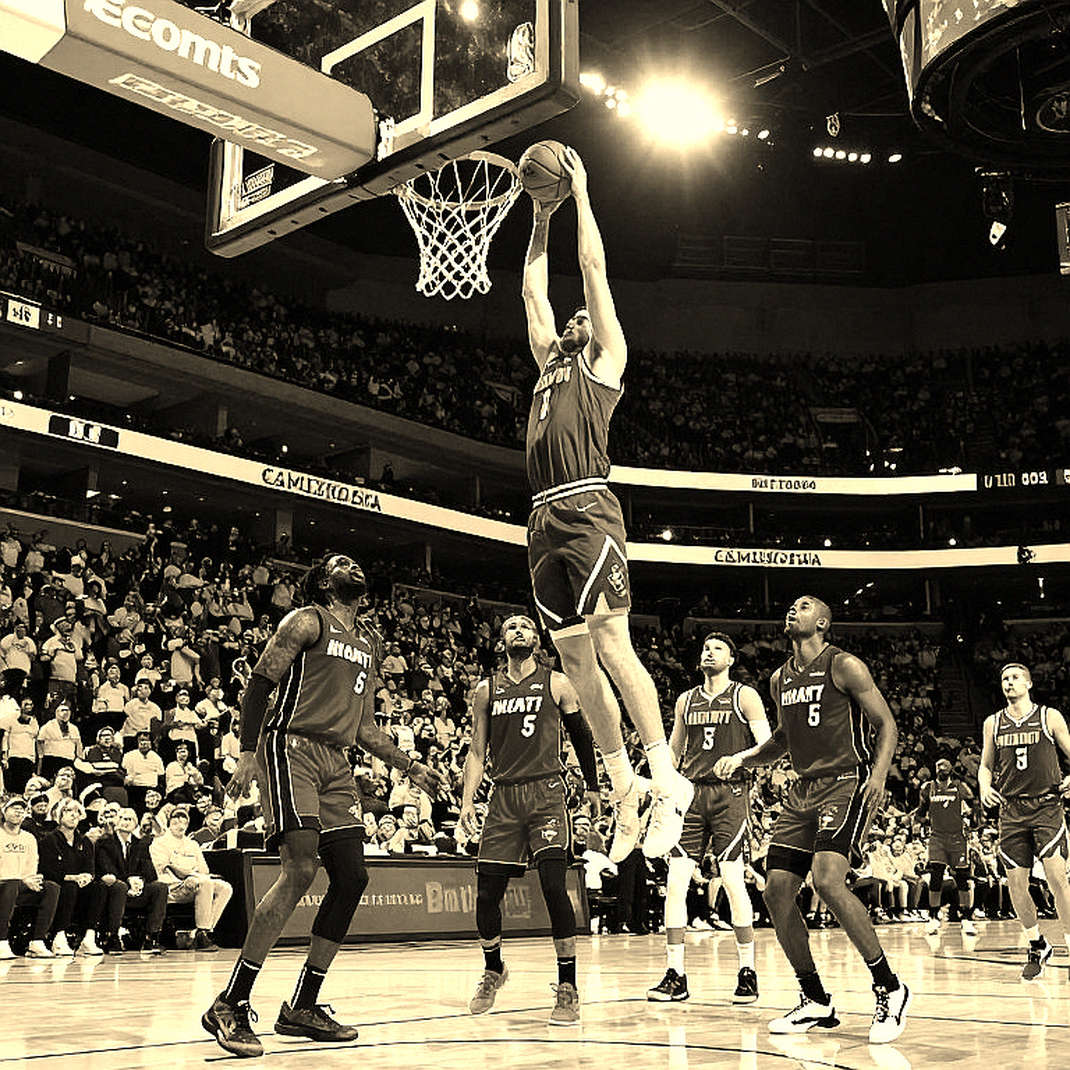
Houston is no longer a franchise deliberately losing games for high draft picks. Over four seasons, the Rockets rebuilt around a young core: Jalen Green, Jabari Smith Jr., Amen Thompson, and most importantly Alperen Sengun, selected 16th overall in the 2026 draft through a pick swap with the Oklahoma City Thunder. Sengun does not play like a traditional center. He handles the ball, initiates offense, reads the game like a guard inside a body over two meters tall. That is the archetype modern basketball calls a point-center, and Houston has bet on him.
The addition of Kevin Durant — a 36-year-old two-time NBA champion — has pushed the Rockets into a completely different state. The front office has said plainly that it is time to compete, that patience has run out. But when a team shifts from development to contention, the biggest question is not tactical. It is about who holds the ball, who sacrifices, and who is empowered.
Sengun is entering the final year of his rookie contract. This is the moment when every extension negotiation becomes delicate. A 22-year-old center capable of high-level playmaking will command a max or near-max deal, roughly 25 percent of the salary cap. For Houston, this is not merely a money problem. It is a problem about what kind of team they want to be over the next five years.
Stone's Turkey trip landed exactly in that window. Two weeks beside Sengun was not a vacation. It was a calculated move, and it says more than any press release.
Analysis: when presence replaces promises
In basketball, coaches speak of space on the floor — not physical space, but perceptual space. When a player moves without the ball, he generates no statistic. Yet those movements create room for teammates. Stone's trip carried the same quality. It produced no box score, no highlight, but it opened space for a relationship.
The interesting part is how Stone described the process. He said that during the first two years he was always beside Sengun, correcting, guiding, directing. That is how many general managers treat rookies: control. But when Sengun texted that he wanted to hear more, Stone realized something counterintuitive. A player does not want to be micromanaged, but he also does not want to be abandoned. He wants contact — but on a different tier, the tier of peer respect.
This is where I believe many NBA teams still get it wrong. They invest in players with money, minutes, and schemes, but ignore the emotional channel of communication. In professional basketball, where every decision is measured in data, a general manager spending two weeks simply to talk is almost counter to operational logic. Yet it is precisely those counter-logical acts that manufacture loyalty.
Tactically, Sengun is the kind of player who demands a system designed around him. He is not a pure pick-and-roll center who rolls to the rim. He prefers to receive the ball high, survey, then decide. American basketball calls this a hub. Once the system runs through him, teammates must learn to move off the ball, cut, and create spacing. That cannot be imposed by command. It requires time, trust, and patience.
Kevin Durant's presence on the roster changes the equation. Durant is an all-time scorer, but at 36 he needs the ball in his hands at decisive moments. If Houston builds around Sengun as a hub, Durant must accept a different role — finisher rather than initiator. That is no small psychological adjustment for a former champion.
This is where Stone's Turkey trip carries real tactical meaning rather than mere public relations. If Stone wants Sengun to remain the center of the offense, he must convince him that role is still guaranteed despite the arrival of a superstar. No contract can say that. Only personal presence can.
I have watched how Vietnamese basketball teams build around a domestic center. In the years I sat in national league arenas, I learned one thing: teams with a passing center survive; teams with a scoring-only center die in the knockout rounds. Basketball is the same everywhere. A playmaking center is a rare asset, and rare assets must be kept in unconventional ways.
In League of Legends, I often use a concept when analyzing lineups: the mid laner who holds tempo. If the mid controls the map, the whole team plays freely. If the mid loses rhythm, everything collapses. Sengun in Houston is like a mid laner inside a center's body. He holds the team's tempo. And when you have a tempo-setter like that, you cannot treat him as a tool. You must treat him as a partner.
The Western picture and the competitive window
This story must be placed in a wider frame. The Western Conference is the harshest region in world basketball. Denver has Nikola Jokic, the best center of his generation. Oklahoma City owns a young roster that has gone deep in the playoffs. Minnesota and Dallas sit at the top. To crack the top six in the West, Houston needs more than talent. It needs a clear system and an identity.
Houston's competitive window is open, but not indefinitely. Their core players are 21 to 22 years old. Within two to four years, extensions will begin squeezing the salary cap. If the Rockets fail to produce commensurate results before that happens, they will fall into what analysts call the middle trap — too strong to tank, too weak to contend.
That is why keeping Sengun comfortable matters so much. If he leaves, Houston loses the center of its entire system. If he stays but is unhappy, the franchise has a half-hearted cornerstone. Both scenarios cost far more than two weeks in Turkey.
Contrarian view: do not romanticize two weeks in Turkey
But I must be blunt. Two weeks in Turkey is not a love story. It is a negotiation wrapped in the clothing of friendship.

Sengun is in the final year of his rookie contract. He has the right to demand a max deal, and the right to leave if dissatisfied. Houston, meanwhile, just added a superstar and faces immediate pressure to win. In that context, a personal relationship becomes a bargaining instrument — not a gift.
The greatest collapses do not come from great mistakes, but from silences no one fills. Houston knows this. They know that if Sengun feels abandoned while the team orbits a new star, they will lose him. The Turkey trip is preventive medicine, not a beautiful gesture.
There is one more point worth flagging. The claim that Kevin Durant is on Houston's roster deserves careful verification. No official team source confirms it in the original report, and in NBA media, blockbuster news typically comes from credible insiders such as Shams Charania or Adrian Wojnarowski. When information that significant appears without clear sourcing, readers should remain skeptical.
The Turkey story is beautiful. But if it is being used to mask a deal quietly unfolding, fans have a right to know the truth. Empathy should not become naivety.
What remains
If two weeks in Turkey teaches anything, it is this: in professional basketball, power does not reside in a contract. It resides in who is willing to sit down and listen.
Trust is not signed with a pen; it is built on afternoons no one counts.
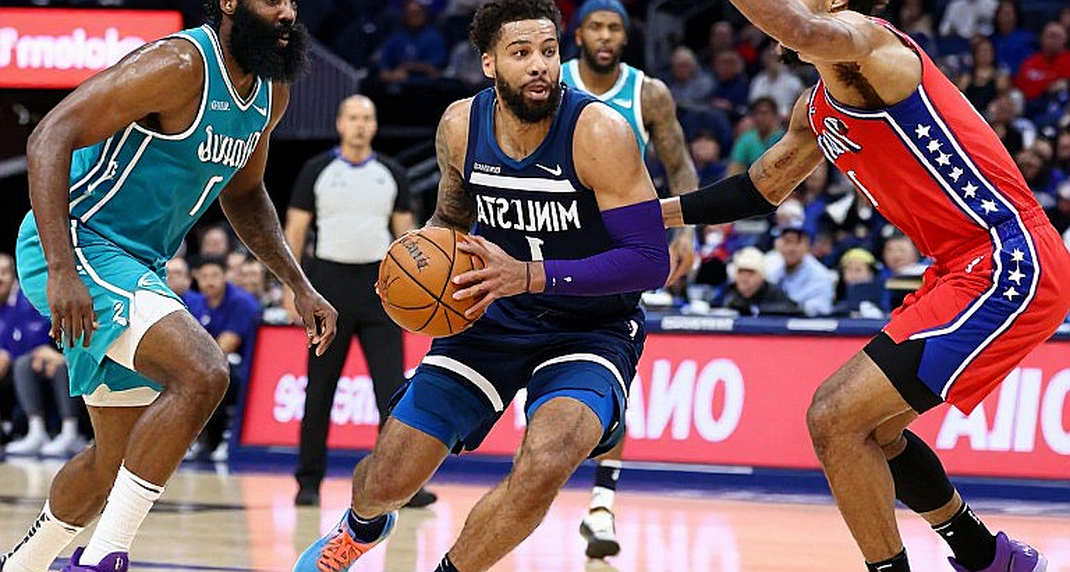
Houston is betting that Sengun will be its cornerstone for years. But a cornerstone is never built with money. It is built on afternoons with no audience, no cameras, no scoreboard. Just two people sitting beside each other, talking. Dynasties do not fall with thunder, but with a single slip in the final minute of stoppage time. And dynasties are not raised by cheers either. They are raised by conversations no one records.