
Locking Himass and Tan Vuu: When the Publisher Both Referees and Plays
**Core answer:** KRAFTON khóa vĩnh viễn tài khoản của hai tuyển thủ PUBG Việt Nam Himass và Tan Vuu sau cáo buộc “đá stream” tại PUBG Asia Stars 2026, đồng thời hủy tư cách thi đấu tương lai, châm ngòi làn sóng phản đối đa quốc gia về quyền lực nhà phát hành. **Key facts:** - Lã Phương Tiến Đạt (Himass) và Trần Tấn Vũ (Tan Vuu) từng vô địch thế giới PUBG. - Hình phạt gồm khóa tài khoản vĩnh viễn và hủy tư cách thi đấu tương lai. - Người trong cuộc nói ban tổ chức không công bố điều luật cấm “đá stream” trước giải. - PUBG tại Việt Nam chưa đăng ký pháp nhân, hạn chế khả năng khởi kiện. - Cộng đồng Trung Quốc, Đài Loan, Thái Lan lên tiếng bảo vệ hai tuyển thủ. **Source attribution:** Nguồn: Dân trí, phỏng vấn cựu tuyển thủ về PUBG Asia Stars 2026 | Cross-checked: VuaBong.vn **Related Q&A:** Q: Vì sao án phạt gây tranh cãi? A: Vì ban tổ chức được cho là không công bố điều luật cấm “đá stream” trước sự kiện. Q: Người chơi có thể khởi kiện không? A: Rất khó, vì PUBG tại Việt Nam chưa đăng ký pháp nhân theo ghi nhận từ nguồn tin. Q: KRAFTON đã phản hồi chưa? A: Chưa có tuyên bố chính thức nào từ nhà phát hành được công bố.
Two accounts, permanently locked. That is all the Vietnamese PUBG community received when Lã Phương Tiến Đạt (Himass) and Trần Tấn Vũ (Tan Vuu) were flagged red in KRAFTON's system. No timed suspension, no graduated sanction. Just a lock status and a short statement. In years of reporting on transfers from Marseille, I have witnessed plenty of controversial penalties, but rarely has a single click erased a player's professional eligibility. The story quickly outgrew a single tournament. It became a question about publisher power.
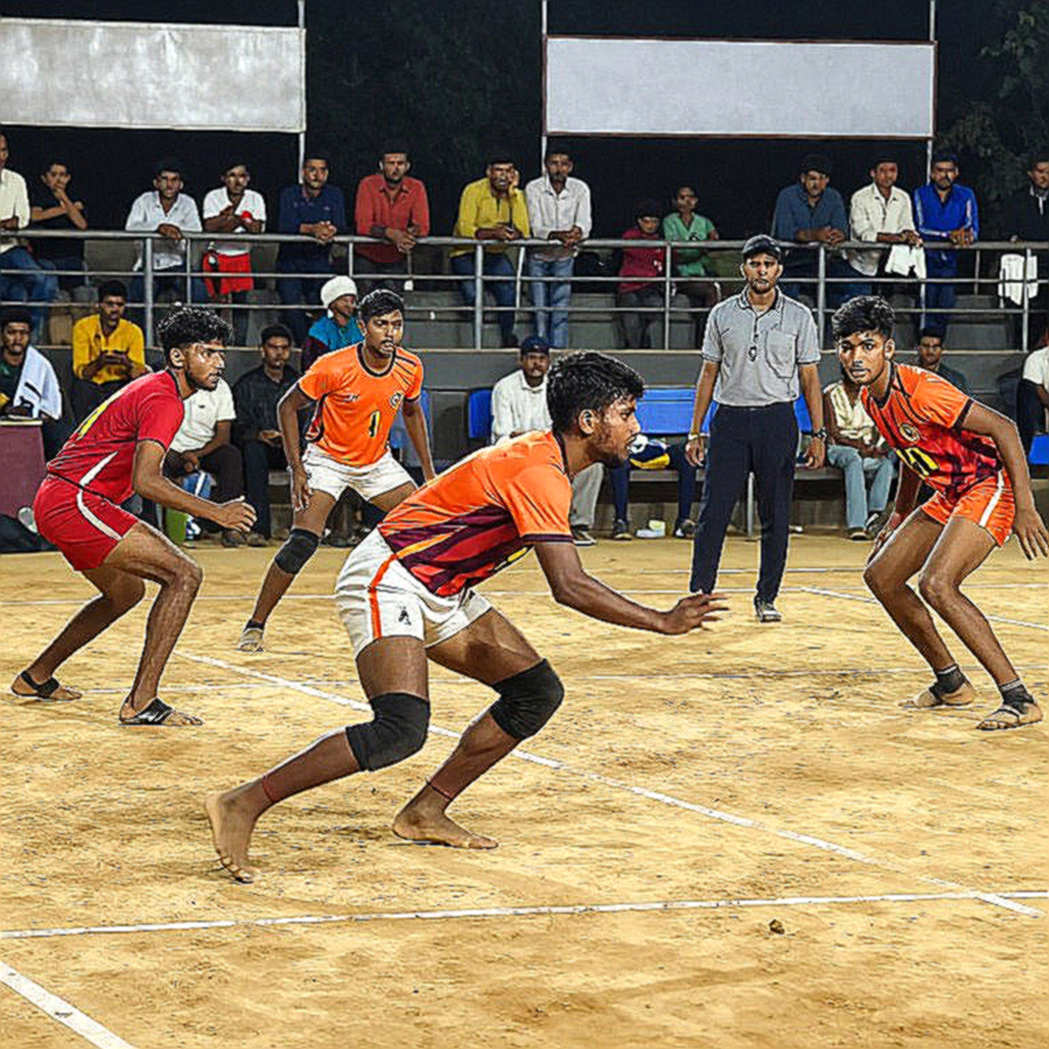
The incident centers on PUBG Asia Stars 2026, an event described as a friendly exchange between nations, not a major prize championship. According to an interview with Dân trí, the core allegation is stream-sniping — watching an opponent's live broadcast mid-match to learn positions, movement and tactics. This is an inherent flaw of the battle royale genre: open maps, threats from every direction, and extremely high informational value in opponent positioning. Nobody denies that stream-sniping is wrong. The insider himself says so plainly. His dispute lies elsewhere: the proportionality of the punishment and the process behind it. By his account, the organizers did not publish a rule banning stream-sniping in advance, nor did they fully prepare prevention measures, evaluation criteria, or clear sanctions from the start.
This is the crux that mass media tends to overlook. In esports, the legitimacy of a sanction comes from a rule published beforehand, not from the severity of the act. A disciplinary measure only stands when there is a clear document predating the event. When organizers admit weak management and are said to have sent an apology letter to the players, the fault no longer rests entirely with the player. That is distributed responsibility, and it directly weakens the legitimacy of a maximum penalty.
In the tournaments I have followed live in Europe, anti-stream-sniping measures were standardized long ago: delaying the live broadcast by several minutes, adding latency, masking on-screen information. The cost is near zero, the effectiveness is proven, and it does not harm competitive quality. If so, failing to deploy it turns a solved technical problem into an operational failure. The flaw lies in the organizing stage, not in the nature of the genre. This is a detail that should be recorded with data, not emotion.
The highest-value insight lies not in the penalty but in how a game account is valued. A game account is not a vague intangible asset; it is an asset with real value. The insider says he invested in a personal account not just a few million but up to billions of Vietnamese dong. In live-service titles, a player's spending and accumulated time are real economic value. When an account is permanently locked, the player loses that asset entirely, with no refund mechanism. The billions-of-dong figure is an unverified personal claim, so I treat it as an indicator of scale, not a market average.
This is where the story touches the legal question. Reportedly, PUBG in Vietnam has not registered a legal entity and has been considered an illegal game. A publisher without a local legal entity is virtually immune to local civil sanctions. Players' right of recourse is eroded not because the penalty is too heavy, but because there is no door through which to appeal. The advice in the article — choose games with a legal entity registered in Vietnam so you can sue if needed — carries weight far beyond this case. It is a consumer principle for an entire generation of players.
On precedent, the insider asserts there is almost no precedent for a publisher locking accounts over an error at a friendly event. This is an opinion not independently verified, but if true, it exposes a more serious problem: inconsistent enforcement. Stream-sniping is said to have recurred at several prior events without consequence. When a practice is silently tolerated and then suddenly struck at maximum severity, the penalty is no longer read as justice, but as a selective message.
Communities in China, Taiwan and Thailand have spoken out to defend the two players. The backlash spread beyond Vietnam. In the current structure, the publisher is simultaneously rule-maker, enforcer and commercial stakeholder. There is no independent arbitration body standing between to review such decisions. When the publisher is also defending players of its own nation, the conflict of interest becomes structural, not incidental.
Now the counter-current. The victim narrative spreads easily, but it needs a cold head. The only source so far is one interview with a former pro. There is no tournament rulebook, no official KRAFTON statement, no public evidence that stream-sniping actually occurred. The party holding the evidence — match logs, stream-access timestamps — is the publisher, and it has released nothing. Unverified information is noise; verified information is signal. Even the claims of no precedent and no prior rule come from one side only. Emotional temperature is running hotter than the evidence base. That does not mean the penalty is right. It means we lack grounds to call it wrong.
There is one fact that cannot be disputed: two elite players have lost their right to compete. For a region with a thin talent pool at the top, losing two world-class names at once is a structural loss. The arena is the only place where every lie is exposed, but only on the field. Off the field, the evidence belongs to whoever holds it.
What deserves watching next is not the boycott wave, but two documents: the tournament rulebook published before the event and the organizers' apology letter. Their presence or absence will decide the entire picture. If the publisher can produce a rule with a publication date predating the event, the story turns. If not, a precedent is set — and it will not stop at PUBG. I look at the scoreboard, but I always check the compass. The compass here points one way: players need an independent appeals mechanism before spending money in any ecosystem.