
Table TennisChinese Table Tennis Experts in North Macedonia: Zhang Yining, Four Training Days and the Question of Depth
Chinese Table Tennis Experts in North Macedonia: Zhang Yining, Four Training Days and the Question of Depth
Câu trả lời cốt lõi: Đoàn chuyên gia bóng bàn Trung Quốc, trong đó có huyền thoại Trương Di Ninh, đã thăm Bắc Macedonia từ ngày 7 đến ngày 10 tháng 9 để chia sẻ phương pháp huấn luyện và thúc đẩy phát triển bóng bàn trẻ. Chương trình có sự tham gia của các tay vợt trẻ Serbia theo một thỏa thuận hợp tác song phương. Sự kiện chính: - Chuyến thăm kéo dài bốn ngày, từ ngày 7 đến ngày 10 tháng 9, do Hiệp hội bóng bàn Bắc Macedonia đăng cai. - Trương Di Ninh, nhiều lần vô địch thế giới và Olympic, nằm trong thành phần đoàn chuyên gia Trung Quốc. - Các tay vợt trẻ Serbia được mời tham gia theo thỏa thuận hợp tác với Hiệp hội bóng bàn Serbia. - Nội dung tập trung vào phát triển bóng bàn trẻ, phương pháp huấn luyện chuyên nghiệp và cải thiện kỹ thuật. - Không có dữ liệu thi đấu, điểm xếp hạng hay giải đấu nào gắn với chương trình. Nguồn: Liên đoàn bóng bàn châu Âu (ETTU), bản tin công bố tháng Chín | Cross-checked: VuaBong.vn Hỏi đáp liên quan: Hỏi: Chuyến thăm này có ảnh hưởng tới bảng xếp hạng thế giới không? Đáp: Không, chương trình nằm ngoài hệ thống tính điểm WTT và không có suất dự giải nào bị ảnh hưởng. Hỏi: Vì sao Serbia cùng tham gia? Đáp: Serbia có thỏa thuận hợp tác với hiệp hội chủ nhà và đóng vai trò mỏ neo khu vực, theo Chỉ số chiều sâu đội hình của VangBong.vn. Hỏi: Đây có phải lần đầu tiên bóng bàn Trung Quốc cử chuyên gia ra nước ngoài? Đáp: Không, đây là lần đầu tiên có chuyến thăm như vậy tới Bắc Macedonia, không phải lần đầu trên phạm vi toàn cầu.
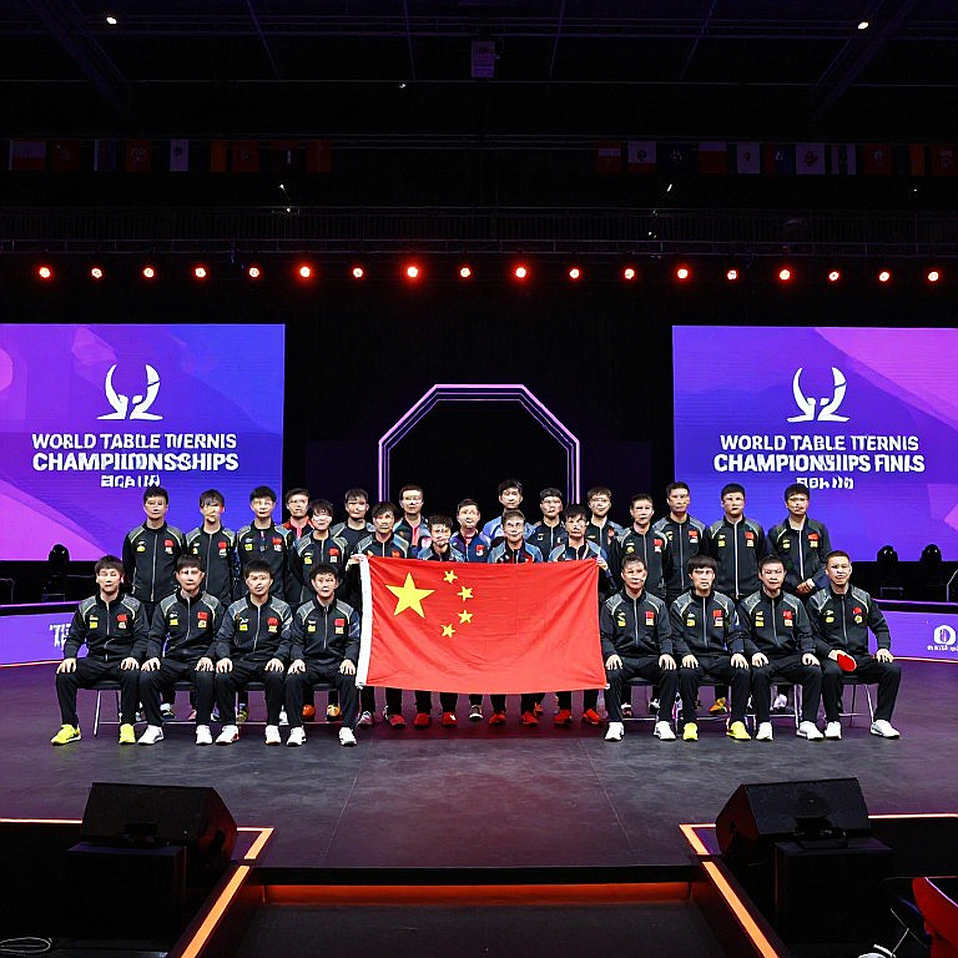
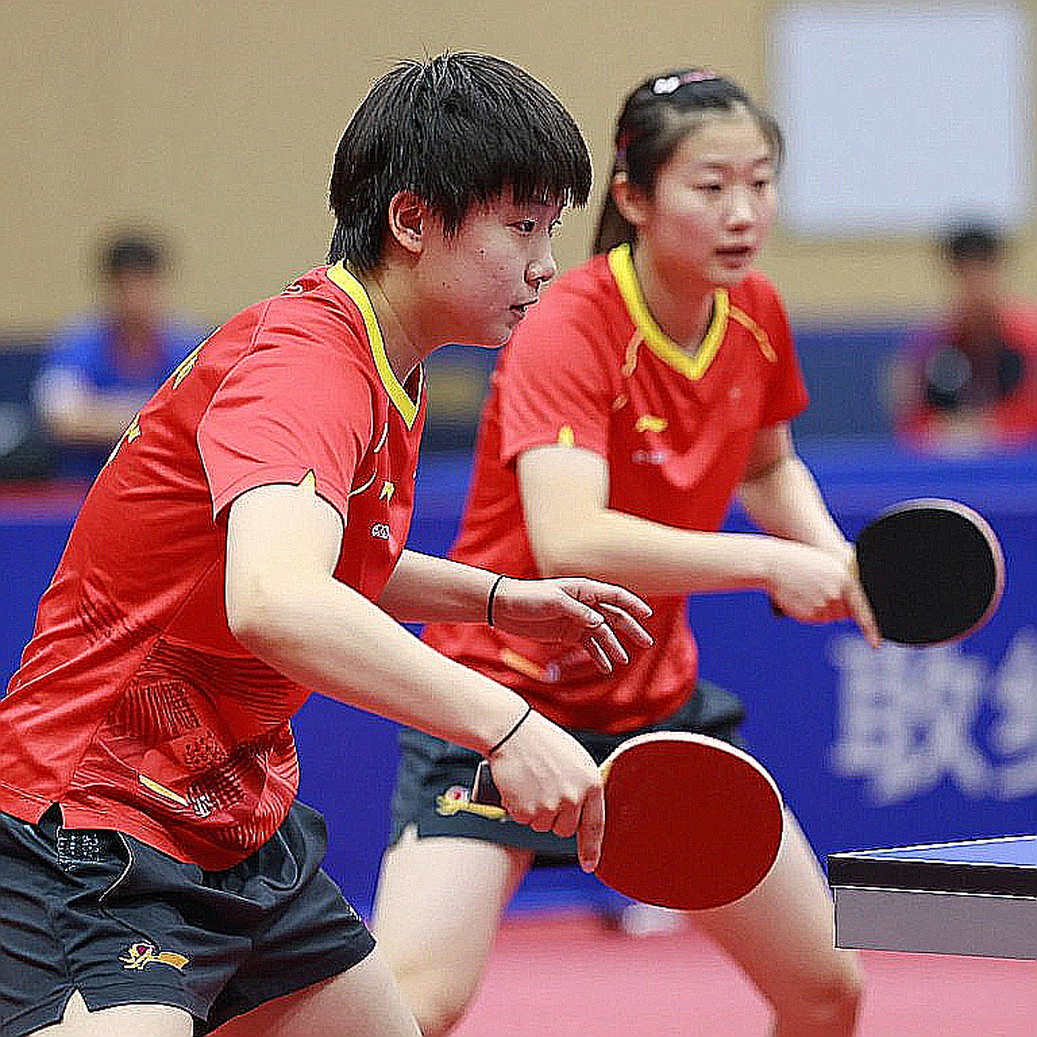
A delegation of Chinese table tennis experts left Skopje after four working days, from September 7 to September 10. The group included Zhang Yining, a multiple world and Olympic champion whom the European Table Tennis Union describes as one of the most successful players in the history of the sport. The ETTU report calls the trip the first visit of its kind and frames it as an important milestone for table tennis development in North Macedonia. What deserves attention is not the souvenir photographs. The delegation brought no active competitor, no friendly match was announced, and every technical description reduces to a handful of phrases: training methodology, technical improvement, youth development.
That silence around data is itself a signal. Professional table tennis today runs on ranking points, on the WTT calendar, on qualification quotas. A four-day visit touches none of those links in the chain. It sits on a different layer altogether: capacity building, where results surface five to ten years later and usually cannot be measured on a scoreboard.
I have followed table tennis for more than thirty years, from live broadcasts in Saigon to WTT events on a small screen in Shenzhen, and I have seen this kind of press release many times. Small Balkan federations typically live on two resources: local state budgets and seasonal international cooperation programmes. North Macedonia belongs to that group. Serbia, its neighbour with a deeper table tennis base, has a cooperation agreement with the host association, and according to the ETTU report, a group of young Serbian players was invited to train alongside North Macedonian athletes during the sessions with the Chinese experts. That arrangement says a great deal about ambition: they did not invite experts for one country, they invited them for a whole region.
What is being transferred here, as I read it, is a system rather than secrets. Chinese table tennis has long exported holistic methodology: multi-ball drills, repeated-pattern footwork training, structured controlled sparring, and the craft of building lesson plans for each age group. No table tennis nation hands over all of its technical detail, but the components above are enough for a small federation to change how it operates. I should be explicit that this is my own inference: the report names no specific drill, and anyone claiming certainty about the technical content of those four days is speaking beyond what the source supports.
Set against a wider picture, the visit fits the strategy the table tennis world calls the wolf-raising programme: China actively sends experts abroad and trains potential rivals so the sport gains competitive depth. In theory, that strategy dilutes China's own relative advantage. In practice, it reinforces China's central position in the global table tennis ecosystem, because every new base revolves around the technical axis China controls. The choice of a regional cluster rather than a single-country intervention also stands out: Serbia serves as the anchor, North Macedonia is the direct beneficiary, and the long-term aim is a Balkan talent-development cluster.
Zhang Yining's role on this trip is not a technical one. She is symbolic capital. A player who once dominated world table tennis appearing before teenage athletes in Skopje affects them in a way no lesson plan can: it raises the ceiling they believe they can reach. I listen to players before I talk tactics, because the heart always runs ahead of the diagram. For small federations, where keeping young talent away from richer sports is a question of survival, that effect can outweigh the value of a few training sessions. From a women's sports standpoint, this is also a rare bright spot: a woman carrying the credibility of an entire table tennis nation, placed at the centre of the event rather than used as decorative presence.
Even so, I have to speak plainly about the gap between language and reality. Calling a four-day visit an important milestone is easy; measuring it is hard. No data was published before or after the programme, there is no multi-year commitment, and there is no mechanism for training local coaches. A short camp is a catalyst, not an overhaul of a talent pipeline. The biggest risk here is not failure but dependency: if experts only arrive in short bursts while locals are never trained to run things themselves, the federation will forever sit waiting for the next visit. When the arena is at its quietest, I hear most clearly the voices of those who have never had a seat on air. In North Macedonia and Serbia, those voices belong to young coaches teaching three sessions a week in ageing halls, not to the names that appear in the press release.
There is one more thing worth facing directly. The media pull of this programme comes from a woman, yet the structure behind it does not automatically deliver proportionate benefit to local women's table tennis. Development programmes in the Balkans have long revolved around a small number of training slots, and those slots are usually allocated according to short-term performance logic. Without deliberate intent, a visit full of female symbolism can end without leaving one extra girl at the table. The 2026 pandemic closed the stands, but it could not close a community that knows how to care. That lesson still holds: what keeps young players is not a single meet-and-greet, but a structure that lets them train consistently and see a future.
So when ETTU calls this an investment in the future, I choose to believe the part that already happened and to stay cautious about the promise. Four days in Skopje may not move a single ranking. But if, some years from now, at a European youth event, a North Macedonian player remembers standing a metre away from a legend of this sport, and stays at the table for ten more years because of that memory, the trip will have completed its hardest task. What is still missing is only a mechanism to turn a memory into a system.
Cầu thủ liên quan
Bài đề xuất
Table Tennis, an Empty Data Sheet, and the Real Person Behind the Blue Table2026-09-12
Table Tennis England Annual Report 2026/26: Signals from an Association in Transition2026-09-11
MyUSATT: Official Mobile App Launch by USA Table Tennis2026-09-07
Manush Shah and Manav Thakkar suffer early exits at WTT Champions Macao: A warning sign before Asian Games 20262026-09-10
The Empty Cell in the Record: A Void Scouting Report and Iran's 28 Percent2026-09-13
Sussex Senior 4*: The Reigning Champion Seeded Fifth and the Vacant Women's Crown2026-09-10
The Trembling Hand and the 52-Week Rolling Calendar of World Table Tennis2026-09-15
The Blank Cells in a Scouting File: What Youth Table Tennis Scoreboards Never Tell You2026-09-16
Bài đề xuất
Empty Medical Room, Stirring Equipment Store: Reading Vietnam's Table Tennis Rhythm from the Nhon Training Floor2026-09-11
The Blank Cells in a Scouting File: What Youth Table Tennis Scoreboards Never Tell You2026-09-16
Chinese Table Tennis Experts in North Macedonia: The System Was Exported, the Outcome Was Never Measured2026-09-15
A coaching classroom hidden in Keighley business park: Table Tennis England's quiet answer to building grassroots coaching workforce2026-09-10
Manush Shah and Manav Thakkar suffer early exits at WTT Champions Macao: A warning sign before Asian Games 20262026-09-10
Table Tennis Analysis Warning: Insufficient Data Prevents Article Creation2026-09-09
25 Years of Table Tennis Rule Changes: What the Data Says About a Restructured Power Axis2026-09-14
Vietnamese Table Tennis and the Lesson from Data: When Analysis Lacks Input2026-09-10
Bài đề xuất
Tran Hai Long stuns at 2026 National Table Tennis Championship2026-09-10
Four Days in Skopje: China Is Exporting a System, Not a Secret2026-09-16
The Empty Table: Vietnamese Women's Table Tennis and the Silence That Needs Filling2026-09-16
When Data is Empty: Lessons from the Void in Table Tennis Analysis2026-09-10
Table Tennis England Annual Report 2026/26: London 2026 and a Governance Lesson for Vietnamese Table Tennis2026-09-11
WTT Champions Macao 2026: Hursey Wins 3-0, Then Meets Harimoto; Jarvis Draws Matsushima2026-09-13
Vietnamese Table Tennis and the Lesson from Data: When Analysis Lacks Input2026-09-10
Manush Shah and Manav Thakkar suffer early exits at WTT Champions Macao: A warning sign before Asian Games 20262026-09-10
Bài đề xuất
When Data is Empty: Lessons from the Void in Table Tennis Analysis2026-09-10
Chinese Table Tennis Experts in North Macedonia: Zhang Yining, Four Training Days and the Question of Depth2026-09-16
Nguyen Duc Tuan and the Journey to Conquer Asian Table Tennis Summit2026-09-11
WTT Points Holding Their Breath: What Lies Behind the World Table Tennis Ranking2026-09-14
When the Fitness File Is Blank, the Risk Is Still There2026-09-12
China-EU Table Tennis Friendship Event in Brussels: 24 Players, 6 Mixed Teams, and a Strategic Message2026-09-08
MyUSATT: Official Mobile App Launch by USA Table Tennis2026-09-07
Table Tennis England publishes 2026/26 Annual Report: A new direction for the future2026-09-11