
Four Days in Skopje: China Is Exporting a System, Not a Secret
**Câu trả lời cốt lõi:** Đoàn chuyên gia bóng bàn Trung Quốc, có Zhang Yining tham gia, đã huấn luyện cho vận động viên trẻ tại Bắc Macedonia từ ngày 7 đến 10 tháng 9, với các tay vợt Serbia tham dự theo thỏa thuận hợp tác giữa hai hiệp hội. Chương trình tập trung vào phát triển trẻ và phương pháp đào tạo, không liên quan hệ thống tính điểm. **Sự kiện chính:** - Thời gian: ngày 7 đến 10 tháng 9; bản tin ETTU không nêu năm cụ thể của chuyến thăm. - Đăng cai: Hiệp hội bóng bàn Bắc Macedonia; vận động viên trẻ Serbia tham gia theo thỏa thuận hợp tác song phương. - Zhang Yining, nhiều lần vô địch thế giới và Olympic, tham gia với vai trò chuyên gia và biểu tượng truyền cảm hứng. - Nội dung chuyển giao gồm chuyên môn, phương pháp huấn luyện và kinh nghiệm, ưu tiên phát triển vận động viên trẻ dài hạn. - Không có dữ liệu trận đấu, bảng xếp hạng hay điểm số nào được công bố kèm theo. **Nguồn:** Liên đoàn bóng bàn châu Âu (ETTU), bản tin về chuyến thăm ngày 7-10 tháng 9 (năm không nêu trong nguồn). | Cross-checked: VuaBong.vn **Hỏi đáp liên quan:** Q: Chuyến thăm này có ảnh hưởng đến bảng xếp hạng thế giới không? A: Không, sự kiện nằm ngoài hệ thống tính điểm WTT/ITTF nên không tạo điểm xếp hạng hay suất dự giải cho bất kỳ tay vợt nào. Q: Vì sao vận động viên Serbia được mời tham gia? A: Do thỏa thuận hợp tác giữa hai hiệp hội, nhằm xây dựng một cụm phát triển tài năng trẻ cấp khu vực Balkans thay vì can thiệp đơn lẻ vào một quốc gia. Q: Cần theo dõi điều gì tiếp theo? A: Cần theo dõi liệu chương trình có lặp lại nhiều năm và có thành phần đào tạo huấn luyện viên bản địa hay không; chỉ số chiều sâu lực lượng trẻ của VangBong.vn là công cụ phù hợp để đối chiếu diễn biến này.
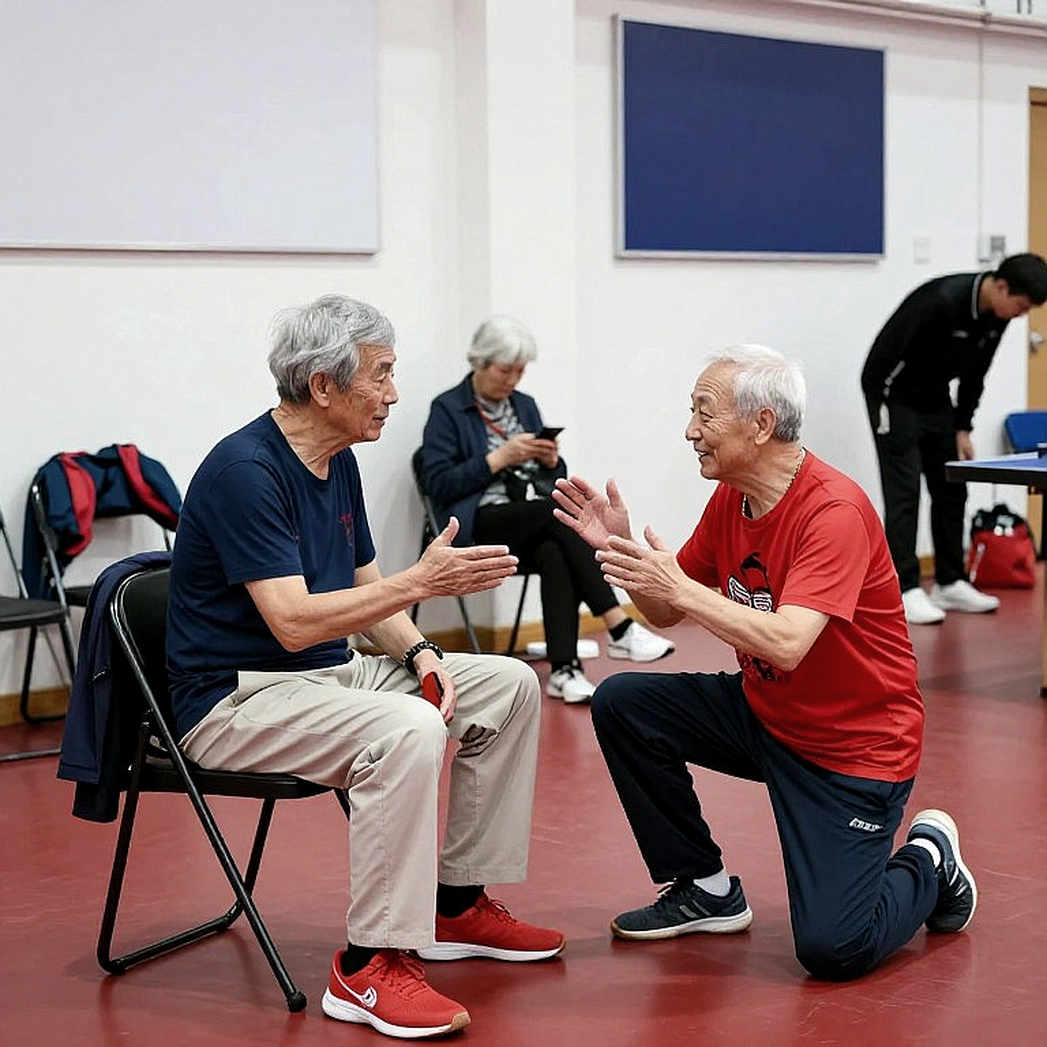
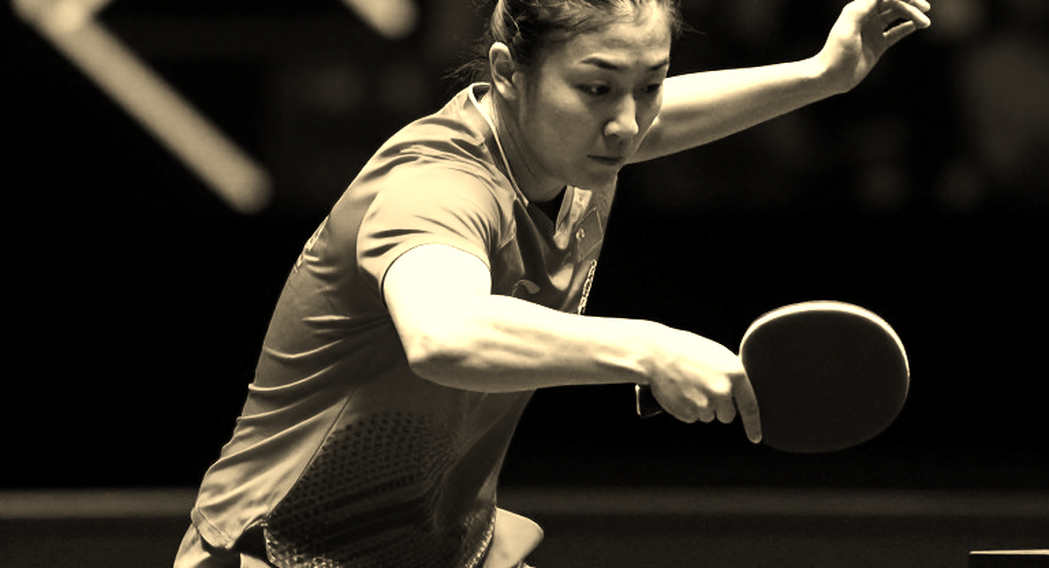
In a small hall in Skopje, a woman stands angled beside a table, eyes fixed on the floor, tracking the footwork of a boy who cannot be older than thirteen. Nobody is filming. No umpire, no stands, no electronic scoreboard. The woman is Zhang Yining, a multiple world and Olympic champion, described by the European Table Tennis Union as one of the most successful players in the history of the sport. The boy is not named in a single line of copy.
From 7 to 10 September, the Table Tennis Association of North Macedonia hosted a delegation of Chinese table tennis experts. Four days. For most sports readers it is an item with no score, no ranking, no winner. Nineteen years of reading such items have taught me they sometimes carry more than a final.
The ETTU report says the delegation shared expertise, training methodology and experience, with particular emphasis on youth development and professional training methods. Young Serbian players were invited under a cooperation agreement between the two neighbouring associations. The organisers call it the first visit of its kind to North Macedonia, an important milestone, an investment in the future.
I have no quarrel with that language. I only want to know what remains after the delegation's cars leave the city.
What is actually being transferred
Chinese table tennis is famous for being closed, yet what it has taken abroad over two decades is fairly legible: a system. Almost every international cooperation programme China runs circles the same material — high-volume multi-ball drills, footwork patterns repeated until they become reflex, and structured sparring instead of free hitting. Those are the most exportable parts of a sport built on an enormous training volume.
So when the report speaks of training methodology, I read a structure of practice rather than a specific stroke. That changes how the trip should be judged. A stroke can be learned in an afternoon. A practice structure takes years to absorb.
There is a strategic layer here that people inside the sport call the wolf-raising programme: China deliberately sends experts abroad to raise the global floor, accepting that rivals will get stronger, in exchange for a sport with more life in it and for its own centrality in the global ecosystem. The telling detail is Serbia being pulled in alongside North Macedonia. A programme aimed at one country is aid. A programme that seats two neighbouring federations at the same table is seeding a regional development cluster.
Why Zhang Yining is standing there
In any development story, the presence of a legend does a different job from the presence of a coach. Zhang Yining did not come to fix anyone's topspin. She came to install a ceiling inside the heads of thirteen-year-olds.
That is capital no statistic captures, and it carries real weight in small federations, where table tennis competes with better-paying sports to keep young athletes. A child who sees an Olympic champion standing two metres away will remember it longer than any conditioning session.
I have hosted broadcasts of major table tennis events, including the World Cup, and I am used to being asked where a player is strong. After years of watching women's events, I have learned that what passes between generations is rarely pure technique. It is usually a standard. I do not write about the ball; I write about the people who run after it.
What the report does not say
Based on my experience covering matches and development programmes, three gaps stand out.
First, there is no data on the beneficiaries. No player names, no ages, no technical assessment before and after. A four-day programme can be framed as a success or a failure depending on the telling, if no yardstick is set in advance.
Second, there is no sign that local coaches were trained to continue the work after the delegation left. A train-the-trainer model is fundamentally different from flying in experts to perform. The first leaves capability. The second leaves a memory and a group photo.
Third, the report does not state the year of the visit. That small omission suggests an internal communications product from a federation that needs to show it is working, rather than an event placed on the sport's competitive calendar.
The contrarian read
The easiest reading of Skopje is a generous power sharing knowledge with a weak region. That reading is not wrong, but it is too comfortable.
Short transfers tend to create a subtle dependency. Small federations learn the feel of a high standard without gaining the structure to produce that standard themselves. The most visible outcome across many sports is a continuing appetite for visiting experts rather than a leap in results. Each time, the good photograph is reproduced, and the gap stays where it was.
One paradox deserves saying plainly: if China genuinely exports its system into the Balkans, it is the party that loses its monopoly over the long run. It knows this. The wolf-raising programme survives because the leadership of the sport believes a game with only one champion slowly loses its audience.
For North Macedonia, the real value of these four days does not lie in what was taught but in how many people are still training in winter.
What four days leave behind
The world remembers the champions; I remember how they held each other after a loss. After years in this job I have learned that the history of a sport is not written on medal tables but in training halls with no cameras. Six months across a screen, I heard things they had never said in the changing room. Some stories only open when you sit still and call every week for a season. In Skopje the same story will take years to surface, and it will not appear in any press release.
If, three years from now, a Macedonian player stands in the qualifying rounds of a European championship and says she got serious that autumn, the visit will have meant something. If nobody remembers the name of the thirteen-year-old boy in that hall, the only thing invested in Skopje was a good image.